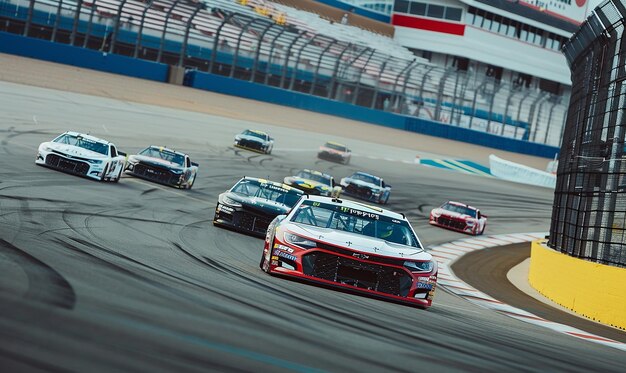
Freedom 250 Grand Prix Coming to the National Mall in August: The First IndyCar Race in DC
IndyCar racing is coming to Washington, D.C. for the first time, with the Freedom 250 Grand Prix set to take place on the National Mall in August. The event marks a historic moment for the region and represents a significant expansion of open-wheel racing into the nation's capital.
The National Mall, one of the most recognizable landscapes in the United States, will be transformed into a street circuit for the race. The venue's iconic location—surrounded by some of the country's most important monuments and museums—creates a unique setting for professional motorsports, distinguishing this event from traditional IndyCar venues that typically feature permanent racing facilities or established road courses.
What IndyCar Brings to the Region
IndyCar is the highest level of open-wheel racing in North America. The series features single-seat, open-cockpit vehicles capable of reaching speeds well over 200 miles per hour. Street races like the Freedom 250 Grand Prix require drivers to navigate tight turns, elevation changes, and braking zones in ways fundamentally different from oval-track racing, demanding precision, spatial awareness, and split-second decision-making.
The addition of an IndyCar race to D.C.'s sports calendar represents a rare opportunity for the region. Street races require significant civic coordination and infrastructure planning—temporary barriers, safety systems, medical stations, and traffic management must all be carefully orchestrated to ensure both driver safety and spectator security.
A New Era for D.C. Sports
Washington has hosted major sporting events for decades, but motorsports at this level have been absent from the region's calendar. The Freedom 250 Grand Prix fills that gap and signals a shift in how the city positions itself as a destination for world-class athletic competition.
For fans, an IndyCar race offers a different experience than traditional stick-and-ball sports. The proximity of street-circuit racing brings spectators closer to the action than most permanent motorsports facilities allow. Fans watching from grandstands along the National Mall will have direct sight lines to multiple corners and straightaways, creating an immersive viewing experience.
The logistics of hosting the event also mean temporary but extensive changes to traffic patterns and public access in the area during preparations and race weekend. The National Mall serves as a gathering space for millions of visitors annually, and hosting a Grand Prix will require careful planning to accommodate both the event and the region's year-round tourism and commemorative activities.
The Competitive Field
IndyCar's driver roster includes both established veterans and rising talent competing for wins, points, and prestige. The series draws international competitors and has produced several drivers who have gone on to compete in Formula 1 and other top-tier motorsports categories. A street course like the National Mall presents unique challenges that can shuffle typical competitive hierarchies—drivers skilled at adapting to tight, technical layouts may have advantages over those who excel primarily on ovals or high-speed road courses.
Impact for Local Fans and Infrastructure
The Freedom 250 Grand Prix represents an opportunity for D.C.-area fans to experience elite motorsports without traveling to established racing destinations. It also positions the city among an exclusive group of metropolitan areas hosting IndyCar events, a list that includes some of the largest and most prominent cities in North America.
For those unfamiliar with street racing, the event will offer a chance to see how professional drivers handle vehicles that lack the downforce advantage of permanent road courses, forcing more reactive, aggressive driving styles. The compressed timeframe and tight confines of the National Mall circuit should produce competitive racing with opportunities for overtaking and position changes throughout the event.
The Freedom 250 Grand Prix in August will mark the beginning of what could become an important fixture on both D.C.'s calendar and IndyCar's schedule, bringing open-wheel racing home to the nation's capital.