Getting Around DC for World Cup Fan Zone Events: Your National Mall Traffic and Transit Guide
If you're planning to visit the World Cup fan zone events on the National Mall, prepare for significant changes to your commute and travel patterns in central DC. The concentration of visitors, temporary infrastructure, and event-related street closures will reshape traffic flow across the downtown core and along major approaches to the Mall.
Here's what you need to know to navigate the area during fan zone activity.
How Fan Zone Events Affect Downtown Traffic
Special events on the National Mall have a ripple effect on surrounding neighborhoods and commute corridors. Road closures and restricted access create bottlenecks on nearby routes, and parking becomes scarce or unavailable. Pedestrian volume increases dramatically, which slows vehicle movement and creates conflicts between cars and foot traffic.
If you normally drive through downtown to reach your destination, expect delays during peak fan zone hours. The transportation department typically manages these situations by closing certain streets, restricting turns, and redirecting traffic to alternate routes. Even if your workplace or home isn't directly on the Mall, you may feel the impact on parallel streets and arterials that absorb displaced traffic.
Transit as Your Best Option
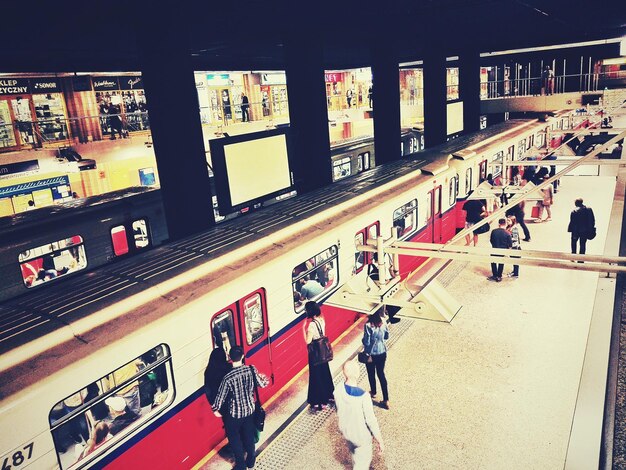
For most people heading to fan zone events, public transit offers the fastest and most reliable option. The region's rail system serves multiple stations within walking distance of the National Mall, and bus routes provide additional access points. During major events, transit agencies increase service frequency to accommodate the surge in riders.
Arriving by transit means you avoid the uncertainty of finding parking and the stress of navigating temporary traffic patterns. You'll also avoid contributing to congestion that affects other commuters trying to get through the downtown area. If you drive to a transit station outside the downtown core, you can park there and transfer to rail or bus service to reach the Mall.
Planning Your Route and Timing
Before you travel, check for official announcements about street closures and transit service changes related to the fan zone events. The exact configuration of restricted areas and detours depends on how the event is laid out and what streets officials decide to close.
Travel during off-peak hours if your schedule allows. If the event draws large crowds during afternoon and early evening hours, morning or late-night travel experiences lighter congestion. Avoid arriving or leaving during the busiest times, when both pedestrian and vehicle traffic peak.
Pedestrian and Bike Access
The National Mall accommodates foot and bicycle traffic, and these modes may be faster than driving during event periods. If you live or work within biking distance, a bike can be a practical way to avoid road congestion entirely. Pedestrians should be prepared for crowded sidewalks and may encounter temporary barriers or redirected walkways.
Preparing for the Unexpected
Road work, transit delays, and unexpected crowd surges can alter travel times beyond what you might normally expect. Build extra time into your schedule. If you're unfamiliar with the downtown street grid, consider doing a test run before the event day, or use mapping tools that show current traffic conditions.
Check with transit agencies and the city's transportation department before you leave. Service advisories, real-time traffic updates, and official closure maps will help you make informed decisions about your route.
Visiting the National Mall during World Cup fan zone events is achievable with advance planning. Use transit when possible, arrive during less congested periods, and stay alert to official guidance. The more you prepare, the smoother your experience will be.