DC Celebrates Juneteenth Alongside Freedom 250 As The Nation Marks a Layered Anniversary
The capital is preparing to mark two anniversaries at once this season—a collision of histories that speaks to how the city has always wrestled with its identity as a seat of power and a place shaped by the stories of those who have fought for freedom within its borders.
The convergence of Juneteenth and the nation's 250th anniversary creates an unusual moment for reflection. These are not separate celebrations but overlapping ones, each asking different questions about what freedom means and who gets to claim it.
What Juneteenth Means in the Nation's Capital
Juneteenth commemorates June 19, 1865, when enslaved people in Galveston, Texas finally learned of their emancipation—more than two years after the Emancipation Proclamation. It marks not the end of slavery as policy, but the moment when freedom became real for those living under bondage.
In Washington, the observation carries particular weight. The capital has long been a symbol of American democracy, yet it was also a city built partly by enslaved laborers and remained segregated well into the second half of the twentieth century. The neighborhoods where residents gather to mark Juneteenth are themselves products of that history—communities with deep roots in the Great Migration and the civil rights era.
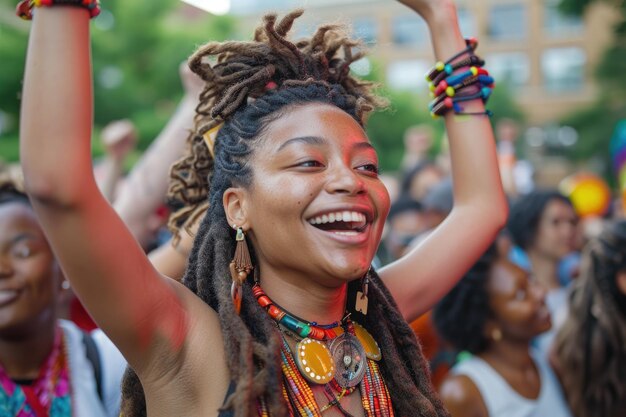
The day brings music, parades, food, and gatherings throughout the region. These are not perfunctory observances. They are spaces where families and neighbors reckon with history while celebrating survival and resilience. Local organizations have traditionally organized commemorations that blend reflection with joy, acknowledging both the weight of the past and the determination of those who lived through it.
Freedom 250 and a Complicated Reckoning
The nation's 250th anniversary frames a different conversation. It asks residents to think about the founding documents and ideals that animated the country's birth—and to reckon with how far the nation has traveled from those promises to their fulfillment.
For many in Washington, this moment is less about uncomplicated patriotism and more about honest assessment. The city has always been a place where these conversations happen alongside one another—where commemorations of independence sit beside acknowledgment of who was excluded from that independence.
The Shape of Public Observance
Local organizers have been preparing events that try to hold both anniversaries in mind. Some focus on the historical record, bringing speakers and educators into communities. Others center music, food, and gathering—the ways that people have always marked important moments in their lives. Still others emphasize volunteering and community service, translating historical memory into present-day action.
These observances tend to cluster in neighborhoods with long histories of Black settlement and culture. They draw families with generational ties to the city, newcomers learning its history for the first time, and institutions committed to public education and remembrance.
Why This Moment Matters Now
The double anniversary is not accidental timing. It forces a conversation that the nation periodically needs: What does freedom actually look like? Who has had to fight for it? What remains unfinished?
For Washington residents, these questions are not abstract. They shape housing policy, education, policing, and economics. They inflect daily life in ways that a city like this—built on ideals, shaped by inequality, still working toward something closer to justice—cannot ignore.
As the season approaches, the city will fill with events, conversations, and gatherings that refuse to treat these two anniversaries as separate. That refusal is itself an act of truth-telling. It insists that you cannot talk about 250 years of American history without also talking about the enslaved people who built the capital, and the millions who came after them demanding that the nation live up to its own words.
For residents of Washington, marking Juneteenth alongside Freedom 250 is less about celebration than reckoning—and the work of honoring what that reckoning means.