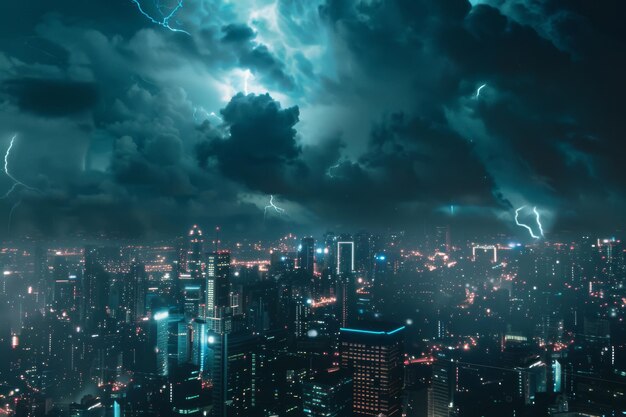
Summer in Washington DC: Heat, Humidity, and Afternoon Storms — Your Survival Guide
Summer in the nation's capital means preparing for a triple threat: relentless heat, oppressive humidity, and the almost daily possibility of afternoon thunderstorms. If you live or work in the DC area, knowing what to expect over the coming months will help you plan outdoor activities, protect your home, and stay safe when the weather turns severe.
The summer pattern here is as predictable as it is uncomfortable. Heat and humidity build through the morning, creating an atmosphere that feels heavier with each passing hour. By afternoon, that instability often triggers storms that can arrive with little warning and pack significant punch.
The Heat and Humidity Combination
Washington's summers are notoriously muggy. The Potomac River and surrounding waterways feed moisture into the air, and warm southerly winds pump in tropical air from the Gulf. This combination makes the heat feel far worse than the actual air temperature suggests. Afternoon hours become nearly unbearable for outdoor exertion, and heat-related illnesses become a real concern.
Locals know to shift schedules during summer months. Morning walks, yard work, and outdoor errands become routine before the sun climbs too high. Air conditioning isn't a luxury in DC—it's essential infrastructure. Power demand peaks on the hottest days, so rolling blackouts remain a small but genuine risk during extreme stretches.
Afternoon Storms as a Daily Possibility
Thunderstorms are the wild card of DC summers. The heat and humidity create an unstable atmosphere, and daytime heating fuels storm development almost daily. These aren't gentle showers. Summer thunderstorms here often arrive suddenly, bringing heavy downpours, gusty winds, and occasional lightning strikes that pose real danger.
Forecasters monitor atmospheric conditions closely, but the exact timing and location of storms remain difficult to pin down until a few hours before they arrive. This unpredictability shapes how residents plan their days. Outdoor events scheduled for late afternoon carry inherent risk. Baseball games may be delayed. Fireworks celebrations might be rescheduled. Afternoon construction work is timed carefully.
Planning Around the Pattern
Smart planning means building flexibility into your summer schedule. Check the forecast before committing to outdoor plans, but accept that the prediction might shift. Keep an eye on the sky in late afternoon; dark clouds building on the western horizon are a common summer sight.
If you work outdoors or manage outdoor facilities—pools, parks, sports fields—develop a lightning safety plan. Know where shelter is located and be willing to clear areas quickly when storms approach. The risk is small, but it's real.
Indoor and Evening Alternatives
The summer heat isn't relentless all day. Evenings cool down, especially after a storm has passed through. Humidity may remain high, but the intensity of the afternoon sun fades. This is when many DC residents shift to outdoor activities—evening walks along the Mall, concerts in parks, late-day baseball games, or simply sitting outside without feeling exhausted.
Indoor attractions see heavier traffic during the hottest parts of summer. Museums, theaters, shopping centers, and government buildings become refuges from the heat. It's not a coincidence that many major events in DC are scheduled for early morning or evening.
Staying Safe and Comfortable
Hydration matters more in DC's humidity. Sweat doesn't evaporate as efficiently, making it harder for your body to cool itself. Drink water throughout the day, not just when you feel thirsty. Seniors and young children are most vulnerable to heat-related stress.
Keep your air conditioning system serviced before summer begins. Stock your home with supplies in case of power loss. Have a battery-powered weather radio or keep your phone charged so you can receive storm warnings.
The DC summer is a season of contrasts: unbearable afternoons and pleasant evenings, weeks of calm heat broken by sudden violent storms. Respecting the pattern and planning accordingly makes the season more manageable, whether you're a lifelong resident or new to the capital.